The Allure of Casinos: Understanding the Attraction
Casinos are designed to be enticing, capturing the attention of patrons through appealing aesthetics, soundscapes, and an atmosphere charged with excitement. The bright lights and the sounds of coins clinking create an environment that stimulates the senses and evokes a heightened state of arousal. This sensory overload can lead players to lose track of time and money, which is a key element in keeping them engaged. The thrill of potentially winning big, while exploring exciting options like a bitcoin casino, adds to this allure, making the casino experience not just about gambling but about the overall sensory experience.
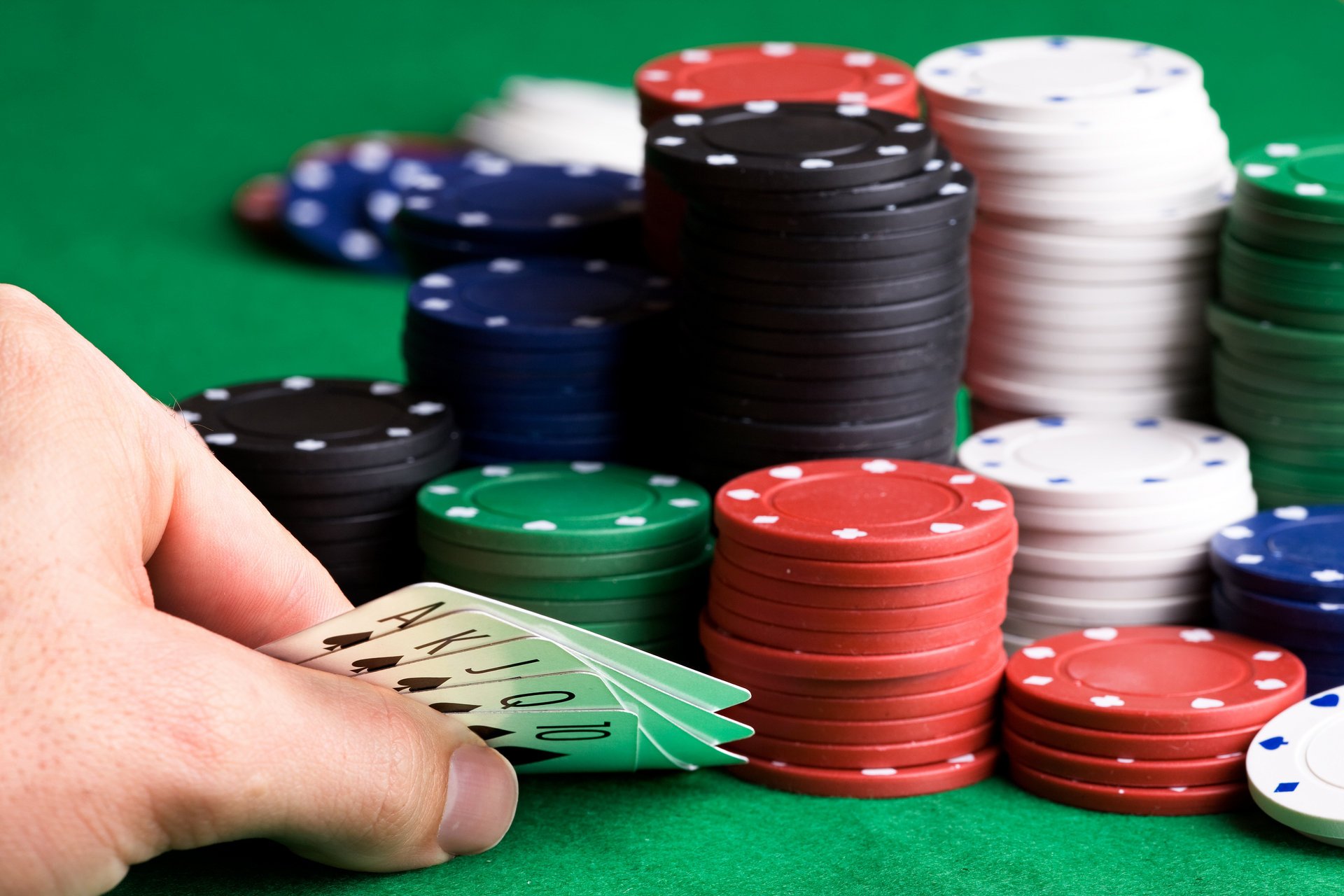
This psychological stimulation is rooted in our brain’s reward system. When players win, their brains release dopamine, a neurotransmitter that plays a major role in pleasure and reward. This neurochemical response reinforces the behavior, making individuals more likely to return to the slots or tables, often in search of that same euphoric feeling. The design and layout of a casino are intricately crafted to maximize this psychological effect, ensuring that the thrill of gambling is an unforgettable experience.
The Role of Risk and Reward in Gambling
At the core of gambling psychology is the interplay between risk and reward. Players are often drawn to the excitement of risk-taking, which is inherently linked to the potential for substantial rewards. Casinos capitalize on this by offering various games with different odds, allowing players to choose their level of risk. The idea of “playing against the odds” appeals to many, as it can create a sense of agency and control over one’s outcome. This environment is vital for fostering an ongoing interest in gaming.
Additionally, the concept of loss aversion plays a significant role in how gamblers make decisions. People tend to fear losses more than they value equivalent gains, which can lead to behaviors such as chasing losses. This phenomenon can keep players at the tables longer than intended, as they strive to recover their losses, often forgetting the original intent of simply having fun. Understanding the dynamics of risk and reward is crucial for both players and casino operators in creating an enticing gambling environment.
Cognitive Biases and Their Impact on Gambling Behavior
Cognitive biases significantly influence decision-making processes in gambling contexts. One common bias is the “gambler’s fallacy,” which is the mistaken belief that past events can influence future outcomes in games of chance. For instance, a player might think that after a series of losses, a win is “due” and may continue to gamble despite the odds remaining unchanged. This fallacy can lead to poor betting decisions and increased financial loss.
Another relevant bias is the “illusion of control,” where gamblers believe they can influence the outcome of a game through their actions, even in completely random scenarios. This illusion fuels continued participation and risk-taking, as players feel empowered, even when the results are entirely beyond their control. Such cognitive biases not only affect individual behavior but also shape the broader gambling culture within casinos.
The Emotional Rollercoaster of Gambling
The emotions experienced during gambling can be highly volatile, similar to a rollercoaster ride. Players may experience a range of feelings from excitement and joy during wins to frustration and despair during losses. This emotional spectrum can create a compelling narrative that players become addicted to, as they continuously seek that euphoric high of a big win.
This emotional engagement can also be intensified by social elements, such as playing in a group or participating in tournaments. The shared experiences of winning and losing enhance the emotional stakes, making the entire process feel more significant. Understanding this emotional connection is key for operators to create environments that maximize player engagement while also ensuring responsible gambling practices.

Your Learning Journey with English for Students
At English for Students, we understand that language learning is much like gambling in that it involves risk, reward, and emotional engagement. Just as a player develops strategies to increase their chances of winning at the casino, our resources empower learners to enhance their skills and confidence in English. Our educational materials are designed to make the learning process enjoyable and rewarding, encouraging students to embrace the journey.
We provide a supportive environment where learners can explore the language, much like exploring the different games in a casino. By engaging with our resources, you can take control of your learning experience, minimize the risks of misunderstanding, and maximize the rewards of fluency. Join us to discover a world of possibilities in mastering the English language!